MONTHLY COVERS
Topics
About StacheCow
Sponsored Content
Advertise on StacheCow
Contact StacheCow Editorial
Terms of Use
Login
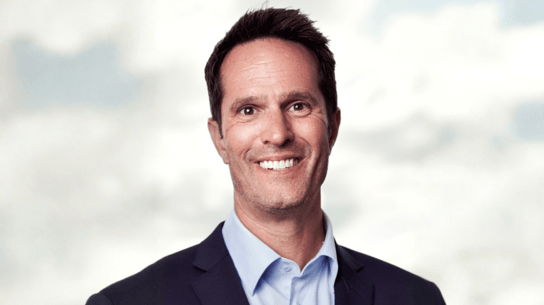
While Zide expects deal activity to increase in 2026, he emphasizes the importance of clear operational alignment, cultural fit and a long-term focus on tools to support franchisee profitability.
Disciplined franchise investing focuses not on market narratives but on unit-level economics, conservative leverage and operational excellence like labor efficiency.
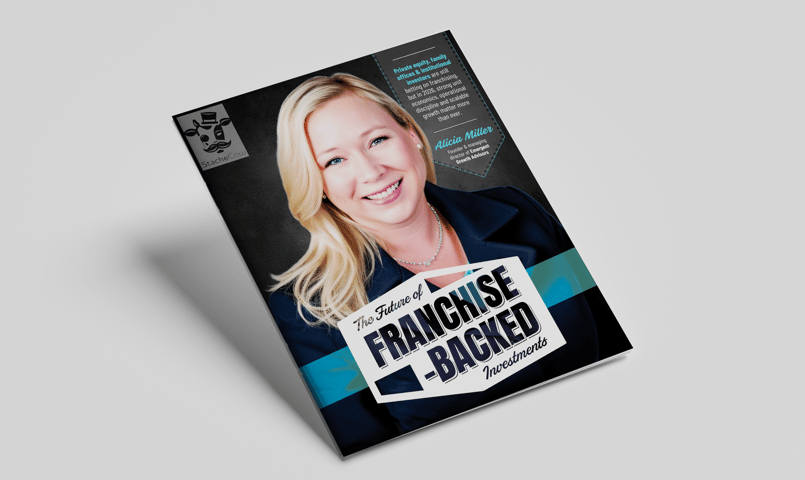
As high-performing franchise brands continue to attract institutional capital, these investment firms are shaping the next phase of franchise growth by backing systems with strong unit economics.
Sign up for our newsletter
Join now
Franchise consolidation is reshaping the industry as investors back larger operators and pursue franchise M&A. Here’s what’s driving the trend and what it means for brands.
As ultra-high-net-worth family offices move away from traditional real estate and stocks, they are prioritizing the stability of franchise platforms for long-term wealth preservation.
Modern franchise growth is increasingly being driven by centralized systems, technology and scalable support rather than the size of a brand portfolio.
Minority and structured equity can fuel franchise growth without surrendering control, but only when the capital matches the problem, the plan and franchisee economics.